
World Standards Day: The Shared Language of Global Markets
On World Standards Day 2026, we explore how international financial reference data standards provide the shared language that enables increasingly interconnected global markets to function
In global financial markets, standards are often invisible until they fail.
Every day, financial instruments are issued in one country, traded in another, reported to authorities elsewhere and analysed by firms around the world. For markets to recognise and understand the same entity, instrument or product consistently, they need more than technology. They need a common language.
International financial reference data standards provide that language.
This year’s World Standards Day theme, “Shared Vision for a Better World”, highlights how collaboration and international standards help transform shared objectives into practical outcomes. While the 2026 campaign focuses on Sustainable Development Goal 7, Affordable and Clean Energy, the broader message applies equally to financial markets: progress depends on organisations, systems and people being able to work together.
Financial reference data standards are one of the foundations that make that possible.
From Individual Identifiers to a Connected Data Ecosystem
The greatest value of financial reference data standards no longer lies in individual identifiers. It lies in the connections they create.
Each standard addresses a specific data challenge:
- LEI (ISO 17442) identifies legal entities participating in financial markets.
- ISIN (ISO 6166) identifies financial instruments.
- CFI (ISO 10962) classifies the characteristics of financial instruments.
- FISN (ISO 18774) provides a standardised, human-readable name for a financial instrument.
- UPI (ISO 4914) provides a standardised means of identifying OTC derivatives products.
Individually, these standards create consistency within their respective domains. Together, they create a connected view of market activity across entities, instruments, products and transactions.
A legal entity can be identified through its LEI. The instruments associated with that entity can be identified through ISINs and further described using CFI and FISN. For OTC derivatives, UPI provides a consistent method of identifying products across reporting jurisdictions, supporting global aggregation and analysis.
The result is more than a collection of identifiers. It is a connected reference data ecosystem that allows participants, systems and regulators to link information consistently across markets.
Why Does That Matter?
Financial markets generate enormous volumes of data across trading, settlement, reporting, risk management and investment processes. Without common identifiers and classifications, firms spend significant time reconciling data instead of using it. Every inconsistency or exception introduces cost, delay and operational risk.
Common standards create a shared reference point that helps market participants integrate information from multiple sources, enables authorities to aggregate data across jurisdictions and provides technology providers with a more reliable foundation for innovation.
Connected standards help enable:
- More efficient data exchange
- Better data quality and consistency
- More effective regulatory reporting
- Improved risk analysis and aggregation
- Greater interoperability between systems
- Increased automation and straight-through processing
In short, standards help transform fragmented information into data that can be understood, connected and used more effectively on a global scale.
Standards Must Evolve with Markets
Today’s financial markets are vastly different from those in which many existing standards were first developed. New products continue to emerge. Markets are becoming increasingly digital and automated. Regulatory requirements evolve across jurisdictions, while advanced analytics and artificial intelligence are creating new demands for high-quality data.
This creates an important challenge. Standards must evolve sufficiently to remain relevant while maintaining the stability and consistency on which markets depend.
A standard that changes too frequently can create unnecessary disruption. A standard that cannot adapt risks losing its usefulness.
Effective standardisation therefore requires both continuity and evolution.
From International Standards to Market Practice
An international standard is only the starting point.
To deliver value, standards must be implemented consistently and maintained as markets evolve. This is where Registration Authorities, Maintenance Agencies and organisations responsible for operational implementation play a critical role.
Through its network of National Numbering Agencies, ANNA supports the allocation and maintenance of identifiers across global markets, creating a direct link between international standards and daily market operations.
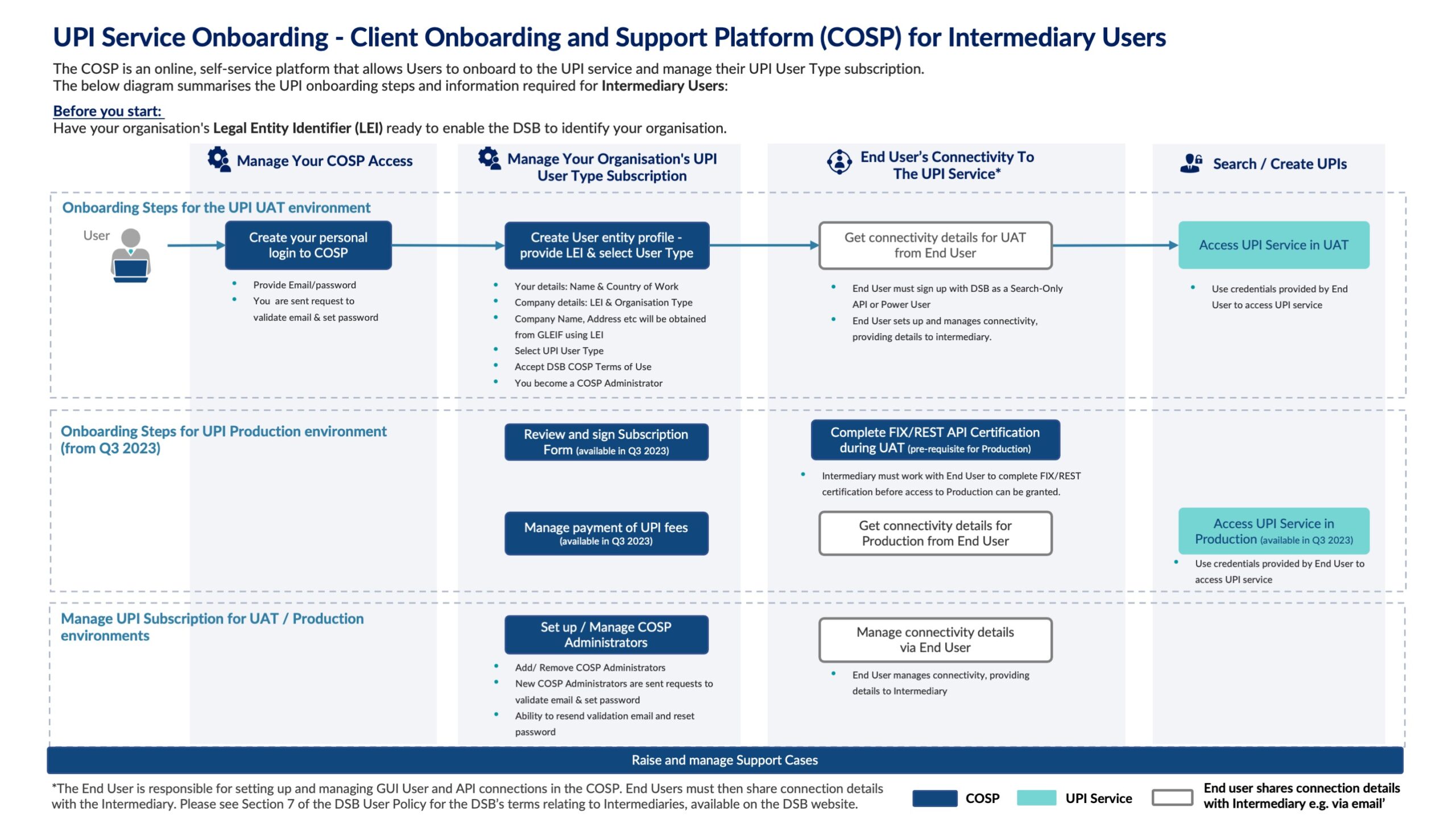
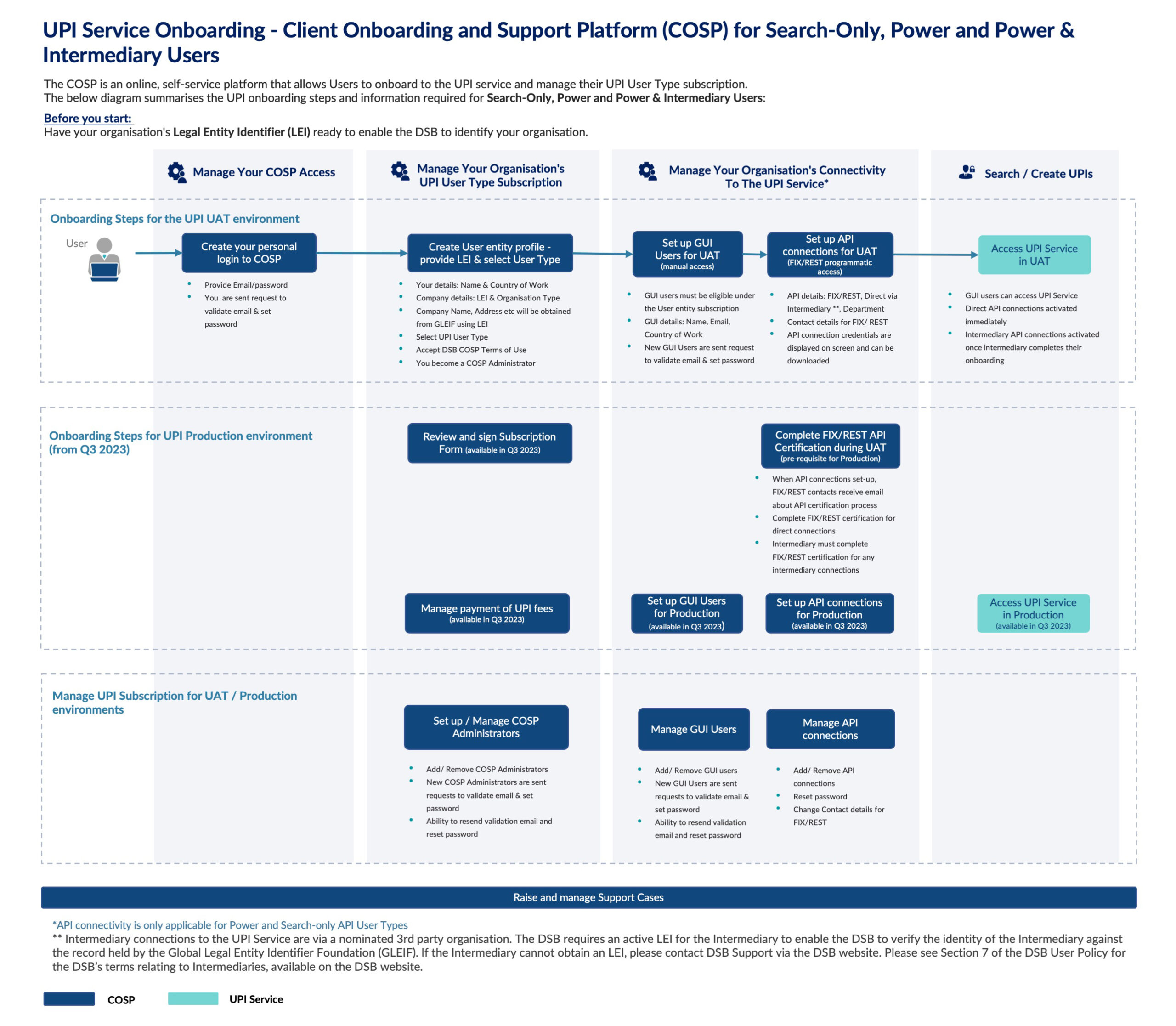
The Derivatives Service Bureau (DSB), established by ANNA, provides the infrastructure through which OTC ISIN, CFI, FISN and UPI are applied across the OTC derivatives market.
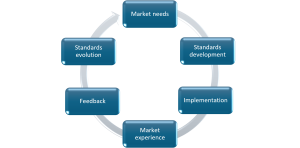
Together, these organisations help create a continuous feedback loop, ensuring standards remain relevant while preserving a level of consistency the markets require:
The Next Challenge: Making Data Work Together
The rise of AI makes the importance of high-quality reference data even clearer. AI systems can only be as reliable as the data they consume. Standardised identifiers and classifications help ensure financial information is consistent, connected and machine-readable, creating a stronger foundation for analytics, automation and innovation.
The opportunity is not simply to process more data through AI. It is to ensure that the data being analysed has a common meaning across markets, organisations and systems.
The same principle applies to automated regulatory reporting, data aggregation, digital transformation and cross-border analytics. In each case, the ability to recognise and connect information consistently becomes increasingly important.
As financial markets become more digital and data-driven, the importance of connected standards will only continue to grow.
A Shared Language for Global Markets
The World Standards Day message reminds us that standards themselves are built through collaboration. No single organisation has a complete view of the financial data ecosystem. Market participants understand operational realities. Authorities bring regulatory perspectives. Standards bodies provide governance and consensus-building frameworks. Registration Authorities and Maintenance Agencies contribute implementation expertise.
Bringing these perspectives together helps ensure standards address real market needs while remaining capable of evolving as those needs change.
Financial reference data standards operate largely behind the scenes, yet they underpin many of the processes that allow modern financial markets to function. The real opportunity is to create a connected ecosystem in which entity, instrument, product and classification standards work together to enable information to move seamlessly across markets, jurisdictions and technologies.
That message is particularly relevant on World Standards Day. As markets become increasingly complex, digital and interconnected, success will depend on the ability of firms, regulators and technologies to work from common reference points.
Innovation will continue to transform financial markets. But innovation works best when different systems can understand one another.
International standards provide that common language. Increasingly, their greatest value will come not only from what each standard achieves individually, but from how effectively they work together.